
Neurodiversity-Friendly Travel for Scouts
Every young person experiences travel differently. For some Scouts, busy airports, unfamiliar routines, sensory overload or last-minute changes can make a trip feel overwhelming.
The good news is that a little extra planning can make a big difference. By creating inclusive travel plans and understanding individual needs, leaders can help all Scouts feel confident, supported and ready to enjoy the adventure.
Planning with Different Needs in Mind
Every Scout is unique, and what works for one young person may not work for another. Before travelling, take time to understand any additional needs, preferences or concerns.
This could include:
Sharing itineraries in advance
Clearly explaining what to expect at each stage of the journey
Identifying quiet spaces during travel
Building in regular breaks and downtime
Providing visual schedules or checklists
The more prepared a young person feels, the more confident they are likely to be.
Make Travel Information Clear and Simple
Group trips often involve lots of information, from travel documents and meeting points to accommodation details and activity plans.
Providing information in a clear, structured format can help everyone, especially Scouts who prefer routine and predictability.
Consider sharing:
A day-by-day itinerary
Packing checklists
Maps or photos of key locations
Expected travel times
Contact information for leaders
Allow Time for Rest and Flexibility
It's tempting to pack every minute of a trip with activities, but downtime is just as important as adventure.
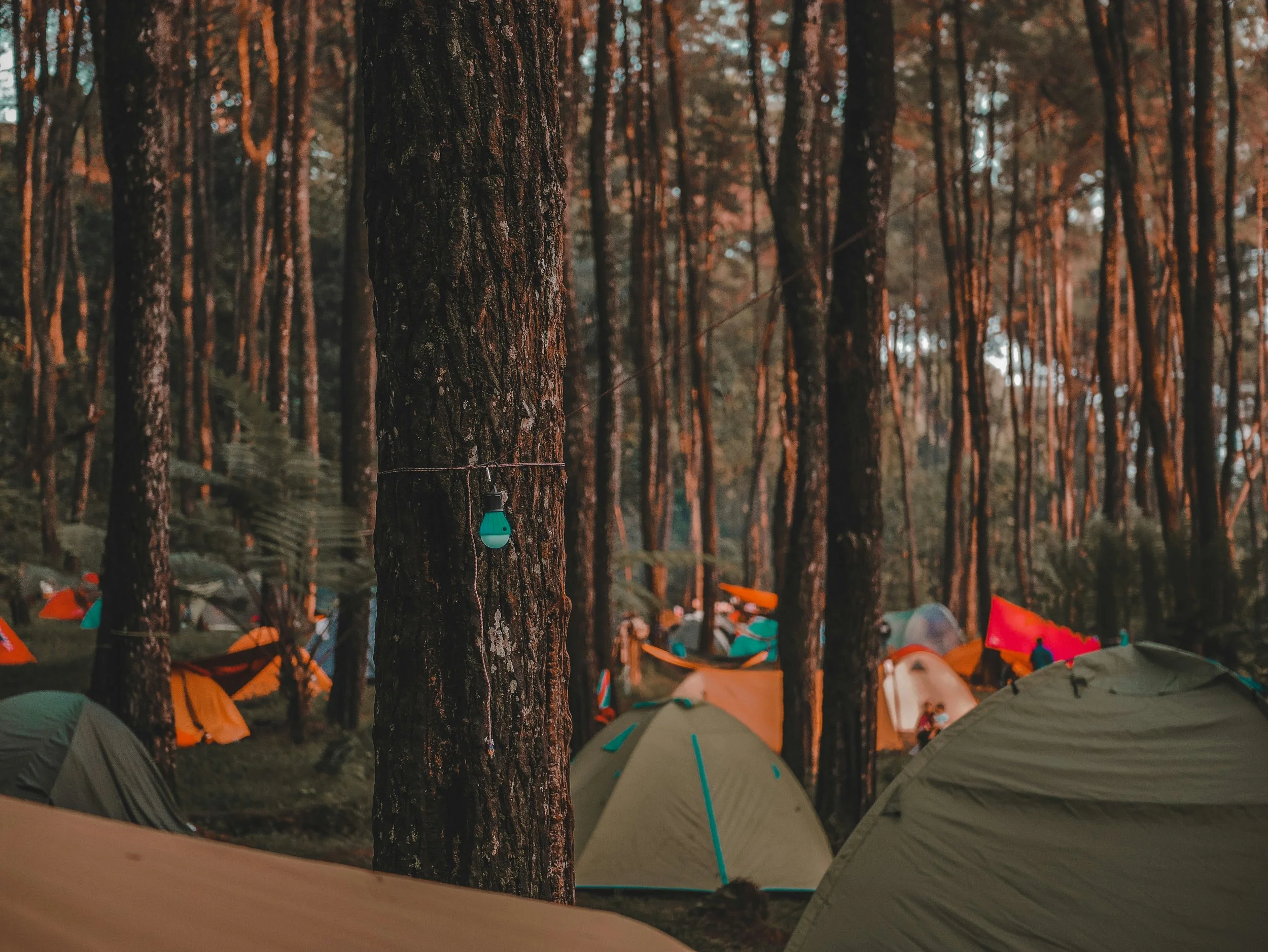
Whether you're travelling to an international camp, jamboree or Explorer Belt destination, allowing time to rest, recharge and process new experiences can help young people get more from the trip. Building some flexibility into your plans can also reduce stress if travel arrangements change unexpectedly.
Think About Sensory Environments
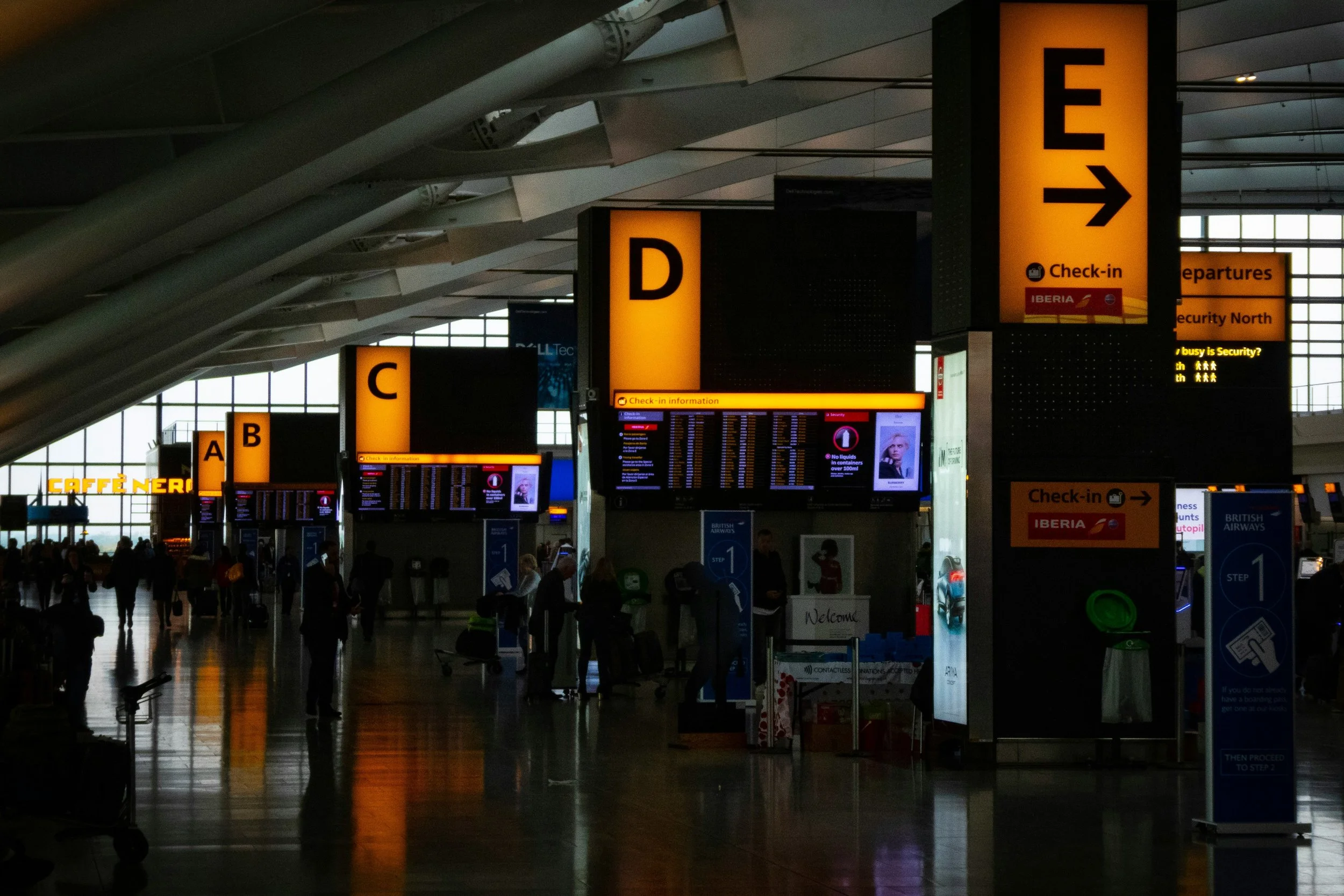
Airports, stations, large camps and busy attractions can be noisy and crowded.
Simple measures such as identifying quieter waiting areas, travelling during less busy periods where possible, or allowing the use of comfort items can help Scouts manage sensory challenges. Being proactive can make potentially stressful situations much easier to navigate.
Inclusion Starts Before You Travel
Creating an inclusive trip isn't about treating anyone differently. It's about recognising that everyone experiences adventure in their own way and ensuring every young person has the support they need to take part.
With thoughtful planning and open communication, Scout leaders can create trips where everyone feels welcome, included and able to thrive.
Conclusion
The best Scout adventures are the ones where every young person can participate fully and confidently. By considering different needs during the planning process, leaders can create more inclusive travel experiences that allow everyone to focus on what really matters: learning new skills, making memories and enjoying the adventure.
At Travel Places, we work with Scout groups to plan adventures of all shapes and sizes. From international camps and jamborees to Explorer Belts and expeditions, we're here to make organising your trip as simple and stress-free as possible. Please contact us to enquire about an upcoming trip.